No products in the cart.

What is an NFC Tag?
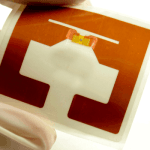
NFC (Near Field Communication) tags are passive devices containing a small microchip and antenna. They enable data transfer when interacting with smartphones or NFC-compatible devices. NFC tags are frequently used in contactless payment systems, information sharing, and device pairing processes.
How NFC Tags Work
NFC tags operate when powered by an NFC reader at very short distances (typically 4 cm or less). The powered tag transmits its data to the reader. This process takes just a few seconds, enabling the user to enjoy a contactless experience.
NFC Tag Types
- Passive NFC Tags: Operate without requiring a power source. They activate using energy from the reader.
- Active NFC Tags: Battery-powered, they can transmit data over longer distances.
Applications of NFC Tags
- Contactless Payment: Enables payments to be made using mobile devices.
- Information Sharing: NFC tags can be used in areas such as event tickets, billboards, and product labels. For example, a user can be directed to a website or application by placing their phone near an NFC tag.
- Device Pairing: Enables quick pairing of Bluetooth devices.
Advantages of NFC Tags
- Easy to Use: Contactless transactions are extremely fast and convenient.
- Security: NFC transactions are more secure because they operate at short range.
- Low Energy Consumption: NFC tags are passive, so energy consumption is minimal.
The Future of NFC Tags
NFC tags are becoming increasingly common in IoT (Internet of Things) applications, smart home systems, and many other areas. Their user-friendly design and contactless transaction convenience make them an important technology in the modern world.