No products in the cart.

RFID barcode readers combine RFID technology with barcode reading systems to provide businesses with fast and efficient data collection capabilities. They play a particularly important role in many sectors, including logistics, inventory management, retail, and manufacturing. RFID barcode readers accelerate businesses’ tracking and identification processes by reading both barcodes and RFID tags.
1. What is an RFID Barcode Reader?
An RFID barcode reader is a multifunctional device that can read both barcodes and RFID tags. These devices scan barcodes using laser or imaging technology while receiving information stored on RFID tags via radio frequency. By meeting different data reading needs with a single device, it increases operational flexibility.
2. How RFID Barcode Readers Work
RFID barcode readers are based on two fundamental technologies:
- Barcode Reading: Like traditional barcode readers, they scan barcodes using laser or imaging technology and convert them into digital information.
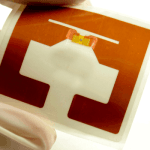
- RFID Reading: Receives data from RFID tags via radio frequency and presents this data in digital format. RFID tags are small labels containing an antenna and a chip, and they communicate with the RFID reader via radio waves.
3. Types of RFID Barcode Readers
- Handheld RFID Barcode Readers: Suitable for mobile use, these readers allow staff to scan products or assets on-site. They are commonly used in warehouses and stores.
- Fixed RFID Barcode Readers: Primarily used in production lines or access points. Products are automatically scanned as they pass in front of these devices.
- Wireless RFID Barcode Readers: They enable easy use in large areas by transferring data using wireless connection technology.
4. Advantages of RFID Barcode Readers
- Fast and Accurate Data Collection: RFID barcode readers quickly collect information without the need for manual data entry and transmit it to systems without errors.
- Wide Coverage Area: Thanks to RFID technology, labels can be scanned from a distance without the barcode needing to be visible. This saves time, especially in large warehouses.
- Dual Functionality: The ability to read both RFID and barcodes allows businesses to use different labeling systems with the same device.
- Inventory Tracking: RFID barcode readers provide effective and reliable solutions for large-scale inventory management, facilitating the tracking of products and assets.
5. Applications of RFID Barcode Readers
- Warehouse Management: Used for tracking product entries and exits in warehouses and inventory control.
- Retail: Ideal for managing product stocks in stores and fast checkout processes.
- Logistics: Ensures accurate tracking of products during shipment and secure delivery.
- Healthcare: The use of RFID barcode readers is increasingly common in sensitive applications such as medical devices, medications, and patient tracking.
6. What Should Be Considered When Choosing an RFID Barcode Reader?
- Reading Speed and Distance: The device should be selected based on the reading speed and distance required by the business needs.
- Durability: If the device will be used in industrial environments, its robustness and resistance to external conditions are important.
- Connection Options: Devices offering flexibility in data transfer via wireless, USB, or network connection options should be preferred.
RFID barcode readers provide businesses with significant advantages by combining the flexibility of RFID technology with the accuracy of barcode readers. Thanks to their fast data collection, wide coverage area, and reliability, RFID barcode readers are a critical solution for many industries.