-
×
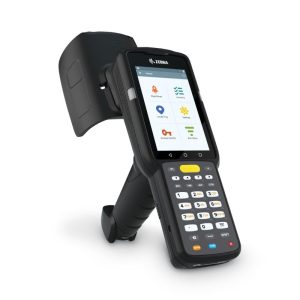
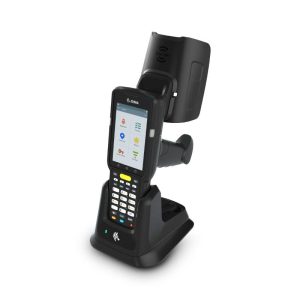
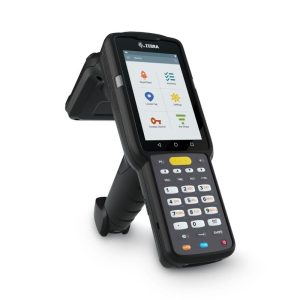
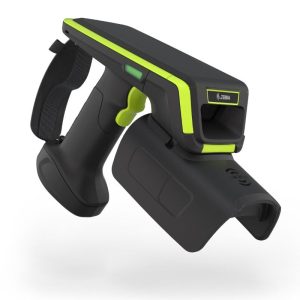 Zebra RFD9090 UHF RFID Handheld Terminal
2 × ₺0,00
Zebra RFD9090 UHF RFID Handheld Terminal
2 × ₺0,00
Subtotal: ₺0,00

Contact Us
For more information and consultation about the RFID Surgical Instrument Tracking System, please contact us at rfiddepo.com.

Ensuring patient safety and quality of care has become an increasingly technology-driven process for most healthcare providers. In addition to electronic health records (EMRs), automated medical management systems, and other solutions, many hospitals are turning to automatic identification technologies such as RFID to track such medical devices and surgical instruments .
The automated asset tracking system increases efficiency and provides significant cost savings, especially in large hospitals, in the management of hundreds of products in the field. Nursing staff waste valuable minutes searching for wheelchairs or IV pumps. Surgeries may be delayed due to the inability to locate a critical piece of equipment. The automated tracking system saves time and prevents the unnecessary repurchase of products whose location cannot be determined.
This type of tracking also contributes to patient safety. Due to user error, it is not possible to accurately count the necessary surgical materials before, during, and after surgery. Errors also arise from incorrectly prepared surgical instrument lists, insufficient staff, and time pressure. Manual counting causes unnecessary disruption in the operating room and also leads to a decline in the quality of care.
One section of this protocol involves verifying the devices and surgical instruments required for surgery, which are listed in a standardized list.
These products must be checked before surgery to ensure that the correct number of the correct products are brought into the operating room. Furthermore, measures must be taken to prevent products from being lost during surgery or left inside the patient.
To prevent these errors, post-operative items are counted and recorded. If any items are missing, regardless of how high the cost may be, those items must be found despite the loss of time and workplace disruption.

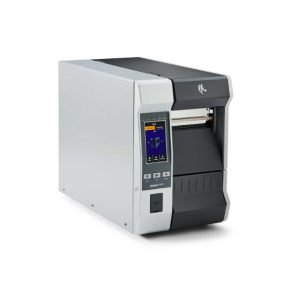
It enables the identification and tracking of products.
It is used for storing and analyzing data.
Software required for inventory management and data analysis.
Durable RFID tags are designed to withstand the harsh conditions of rigorous sterilization processes in healthcare environments. In addition to meeting the requirements of the Joint Commission's Universal Protocol, they can also be used to automate FDA and UDI requirements. Medical device manufacturers use RFID products to individually identify each device produced. More importantly, RFID tags do not need to be visible for reading, unlike other Auto-ID products (e.g., barcode or marker applications). Medical products can be easily recorded even under conditions where UDI or labels cannot be read.
RFID tags can store additional information and enable other stakeholders in the healthcare supply chain (such as distributors or hospitals) to manage these assets using RFID portals at their own facilities.
RFID tagging of individual surgical instruments enables hospitals to document the vital statistics of each device (image, name, manufacturer, manufacturer ID number, purchase date, number of sterilization cycles, repair date and location). Beyond surgical set control, this system provides healthcare institutions with benefits in terms of security, asset management, and cost savings. The heart of the system is the RFID tags attached to the instruments. The RFID tags used in the application are unique in terms of their resistance to disinfection and sterilization processes.
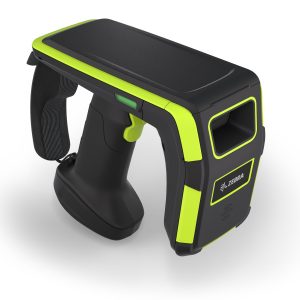
Using a simple handheld scanner, products can be identified individually or in groups, either as sets or on trays, and transferred to a screen in seconds.
This eliminates the need to rely on the visual abilities of any staff member. After scanning, users can access additional information in the operating room, disinfection, and central sterilization areas, while other personnel can access the necessary information throughout the entire facility. For customers who previously used a 2D scanner system, the service provider can make the transition from 2D to RFID very easy by providing an RFID terminal that can read 2D barcodes.
Implementation of the Surgical Safety Scanner System begins with attaching an RFID tag to each instrument.
This process is performed using an FDA-approved method that does not affect the functionality of the device. After each instrument is labeled and counted, it is recorded in the central warehouse. Instrument lists are prepared by the set and tray warehouse. Devices are recorded individually or in groups according to their usage characteristics.
Before sterilization, staff scan the instruments to verify 100% compliance with the lists. Any missing instruments are highlighted in red on the screen; after correction, the set is approved. Once sets are assembled and sterilized, they are scanned into the RFID system for recording. This eliminates the need for manual counting by staff and, consequently, the possibility of human error.
Instrument scanning provides both a visual count on a screen and documentation of the time and location of the count. Missing instruments are highlighted in red. The count is completed in seconds, compared to minutes previously. A fast, accurate, and well-documented count ensures unparalleled patient safety and also provides significant cost savings by increasing product turnover rates.
By choosing to perform counts at different stages of the disinfection and sterilization processes for surgical instruments post-surgery, you can prevent the loss of instruments. This system can also provide information about the location of an instrument within the facility. Another important benefit of the system is that it provides information on the lifespan of the instruments used. This feature also facilitates the tracking of instruments sent for repair. Furthermore, when a new instrument is required to replace one that has reached the end of its useful life, all the necessary information is available in the system.
Thanks to RFID tags and management software developed for the healthcare sector based on sterilization, organizations can automatically track critical equipment, ensure the right tools are available for each surgical procedure in seconds rather than hours, and improve patient safety and outcomes.
RFID tags resistant to tools are integrated; this enables tracking throughout the washing, sterilization, and usage processes.
It simplifies inventory control, tracks usage life, reduces errors, and speeds up processes.
Yes, the RFID Surgical Instrument Tracking System can be integrated with most hospital information management systems.
It prevents surgical instrument loss, reduces the risk of infection, and enhances patient safety during surgical procedures.


Yardıma mı ihtiyacınız var? Ekibimiz sadece bir mesaj uzağınızda